







Viwit Pharmaceutical’s Gadoterate Meglumine Injection Enters the U.S. Market
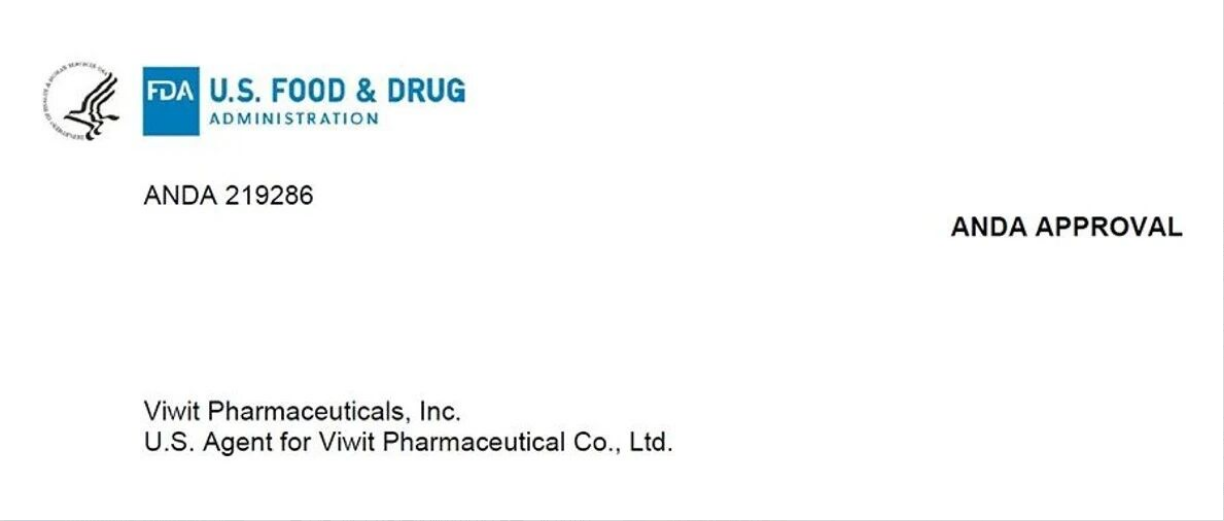
Recently, Viwit Pharmaceutical Co., Ltd. announced that its independently developed Gadoterate Meglumine Injection (5 mmol/10 mL, 7.5 mmol/15 mL, and 10 mmol/20 mL) has received FDA approval of its Abbreviated New Drug Application (ANDA), officially entering the U.S. market.
Gadoterate Meglumine Injection is an intravenous contrast agent used in magnetic resonance imaging (MRI). It is indicated for MRI of the brain (intracranial structures), spine, and associated tissues in adults and pediatric patients to detect disruption of the blood-brain barrier and vascular abnormalities.
As a macrocyclic gadolinium-based contrast agent (GBCA), the product offers excellent structural stability. Animal studies have shown that, after repeated administration of gadolinium-based contrast agents, gadolinium deposition in tissues such as the brain is significantly lower with macrocyclic agents than with linear agents, indicating a more favorable safety profile.
This milestone was made possible by Viwit Pharmaceutical’s continued investment in integrated API and drug product development and manufacturing capabilities, as well as the establishment of a robust cGMP quality management system.
Behind the product’s development and regulatory submission, Milestone Pharma, as an important third-party partner, leveraged its core technical expertise in pharmaceutical compatibility studies and extensive experience supporting international regulatory submissions to provide critical technical support for the successful approval of this advanced contrast agent.
The Hidden Challenge
Stringent Compatibility Requirements for MRI Contrast Agents
As a formulation administered directly into the bloodstream, contrast agents are subject to exceptionally stringent safety requirements. The successful market entry of Gadoterate Meglumine Injection involved significant challenges in the compatibility assessment of pharmaceutical packaging materials and manufacturing process components. The key challenges include:
1. The Highest Risk Profile of Injectable Dosage Forms
Gadoterate Meglumine Injection is an intravenous formulation that enters the systemic circulation directly, leaving very limited tolerance for potentially harmful leachables migrating from packaging materials or manufacturing components.
Under the extractables and leachables assessment framework described in USP <1663> and USP <1664>, injectable products are considered among the highest-risk dosage forms, requiring stringent control of thresholds, analytical methods, and potential impurities.
Even trace-level migration of potentially harmful substances may present systemic safety risks when the material enters the bloodstream directly.
2. Specific Purity Requirements for MRI Contrast Agents
The manufacture of Gadoterate Meglumine Injection involves the coordination of DOTA with gadolinium ions, requiring stringent control of impurities and ensuring that gadolinium does not dissociate under conditions of low DOTA concentration.
Accordingly, any substances from packaging materials or manufacturing components that could potentially introduce metal ions or catalyze degradation must be carefully screened and controlled.
Compatibility studies therefore need to address not only conventional organic leachables, but also elemental impurities at trace levels.
3. Comprehensive Coverage Across the Entire Material-Contact Chain
From manufacturing through clinical administration, contrast agent formulations may come into contact with a wide range of materials, including silicone tubing, filters, and storage bags used during manufacturing, as well as vials and elastomeric closures used for final packaging and syringes and infusion sets used during clinical administration.
Each category of material requires a systematic risk assessment, extractables study, and leachables test. Compatibility studies must therefore cover the entire material-contact chain.
4. Regulatory Compliance Challenges for Global Submissions
The U.S. FDA applies stringent regulatory expectations to injectable products. As a critical component of the regulatory submission package, compatibility studies must comply with the latest applicable requirements of the FDA, USP, and other relevant standards and guidance.
Any methodological deficiencies or insufficient supporting data may lead to additional regulatory questions, requests for further information, or delays in ANDA review.
Compatibility Studies for Products with Potential Neural Exposure
Stringent Expectations Under ICH Q3E and FDA Requirements
As an MRI contrast agent, Gadoterate Meglumine Injection contains a gadolinium-based contrast agent (GBCA) that, during clinical use, travels through the bloodstream to regions of the central nervous system, including the brain, spine, and associated tissues. It is therefore a typical high-risk product involving neural exposure.
In recent years, regulatory authorities including the FDA and EMA have placed increasing emphasis on the neurological safety of gadolinium-based contrast agents, particularly following ongoing assessments since 2017 concerning the long-term retention of gadolinium in brain tissue. These developments have further highlighted the importance of comprehensive compatibility assessment for products with potential neural exposure.
For products with potential neural exposure, compatibility studies must address more than the conventional question of whether potentially harmful substances migrate from packaging or manufacturing components. A critical consideration is whether any leachables migrating from these materials could contribute to or pose a potential neurological safety risk.
This consideration calls for a stringent, risk-based approach across the entire compatibility program—from risk assessment and analytical method development to toxicological evaluation—with each stage conducted to appropriately rigorous standards.
Key Risk Considerations
The fundamental difference between products involving neural exposure and conventional injectable products is that once leachables enter the systemic circulation, they may cross the blood-brain barrier and act directly on the central nervous system.
Even trace levels of leachables may pose non-negligible neurotoxicity risks because of cumulative effects associated with long-term, repeated administration.
The FDA’s April 2024 guidance on compatibility studies for ANDA submissions states that certain extremely high-risk routes of administration, such as epidural and intrathecal routes that directly contact the nervous system, may require the Safety Concern Threshold (SCT) to be lowered to 0.15 µg/day—more than 33 times more stringent than the 5 µg/day threshold used for conventional parenteral routes.
ICH Q3E: A Scientific Framework for Rigorous Extractables and Leachables Assessment
In August 2025, the ICH formally issued the Step 2b draft of ICH Q3E, Extractables and Leachables, representing the first harmonized ICH framework specifically focused on extractables and leachables assessment for pharmaceutical products.
The guideline establishes a risk-based framework for extractables and leachables assessment and provides important scientific and regulatory considerations for high-risk products with potential neural exposure.
ICH Q3E introduces the Safety Concern Threshold (SCT) as a key tool for assessing the potential risks associated with leachables.
The SCT is defined as the exposure level below which the mutagenic and non-mutagenic toxicological effects of a leachable may be considered negligible.
The SCT is determined based on the lower of the following two values:
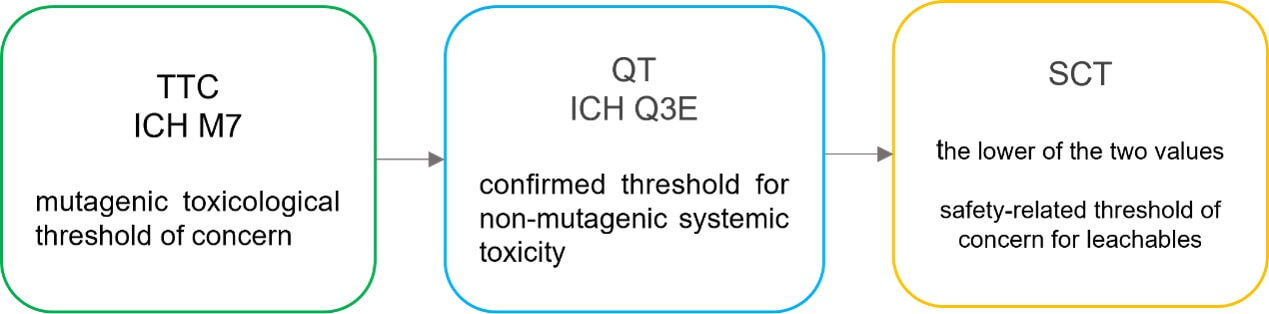
Based on the SCT, an Analytical Evaluation Threshold (AET) can be established to determine which extractables and leachables require identification, quantitation, and toxicological evaluation.
Under the FDA’s 2024 guidance on compatibility studies for ANDA submissions, products involving neural exposure should conservatively use an SCT of 0.15 µg/day to derive the AET. This requires analytical sensitivity approximately 33 times greater than that for conventional injectable products, and analytical methods such as LC-HRMS, GC-HRMS, and ICP-MS must provide sub-ppb detection capability.
ICH Q3E establishes a three-level risk classification framework for leachables. For products involving potential neural exposure, each risk category requires careful assessment using a suitably stringent, science- and risk-based approach.
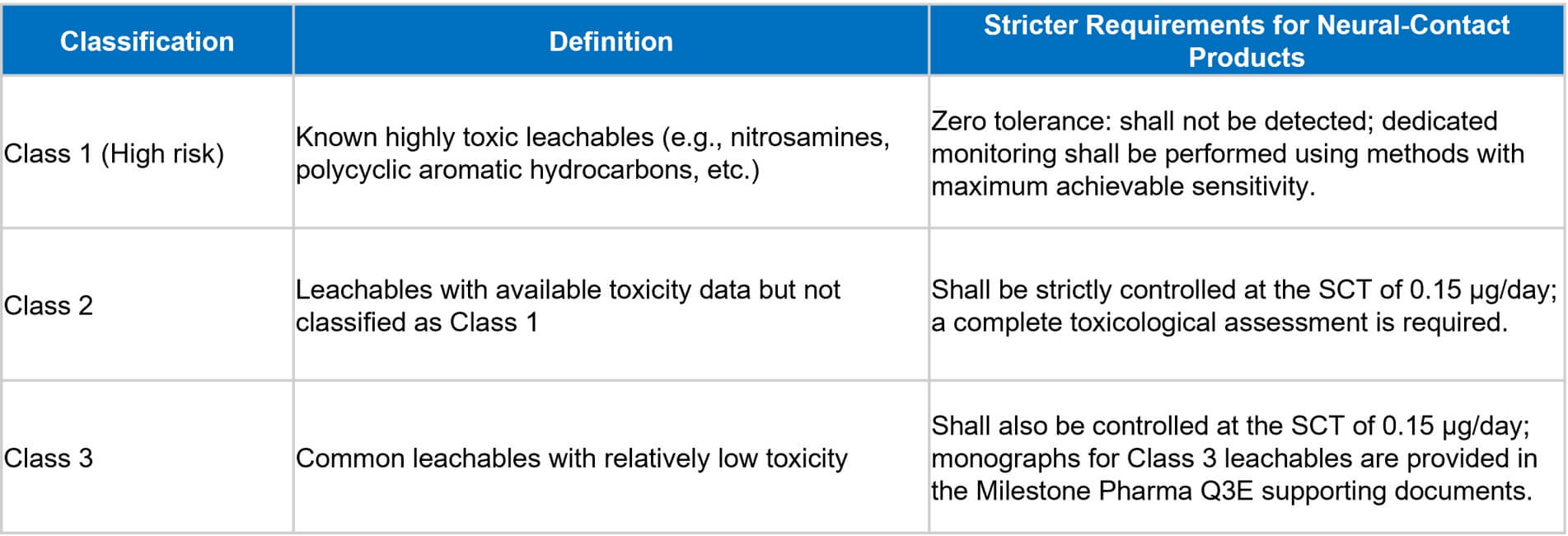
FDA’s Increasingly Stringent Review of Compatibility for Products with Potential Neural Exposure
In recent years, FDA’s review of compatibility studies for injectable products has increasingly emphasized the depth, adequacy, and scientific rigor of the assessment, particularly for products associated with higher potential risks of neural exposure.
The focus has increasingly extended beyond whether a compatibility study has been conducted to whether the overall study design, analytical strategy, data package, and toxicological assessment are sufficiently comprehensive and scientifically justified.
Key areas of FDA review may include:

Common regulatory questions raised in the context of injectable ANDA compatibility assessments have included the scientific justification of the AET, adequacy of extraction conditions, coverage of elemental impurities, depth of unknown identification, and sufficiency of toxicological evaluation.
For products involving gadolinium-based contrast agents, particular attention may also be warranted for transition metal elements such as Fe, Cu, and Zn, which may potentially influence coordination stability or promote ligand dissociation. Leachables with structural features potentially associated with neurological toxicity may also require targeted literature review and risk assessment.
In addition, FDA safety communications concerning gadolinium-based contrast agents have highlighted the issue of long-term gadolinium retention in the body, further underscoring the importance of sensitive monitoring of elemental impurities where scientifically and regulatorily relevant.
Milestone Pharma’s Rigorous Compatibility Study Strategy
In response to the stringent requirements associated with compatibility studies for products involving potential neural exposure, Milestone Pharma has established a three-pronged rigorous strategy: rigorous study design, rigorous execution, and rigorous assessment.
At the study-design stage, Milestone Pharma proactively sets the SCT at 0.15 µg/day and derives the corresponding AET to ensure that the detection sensitivity for all potential leachables meets the most stringent neurological-safety requirements.
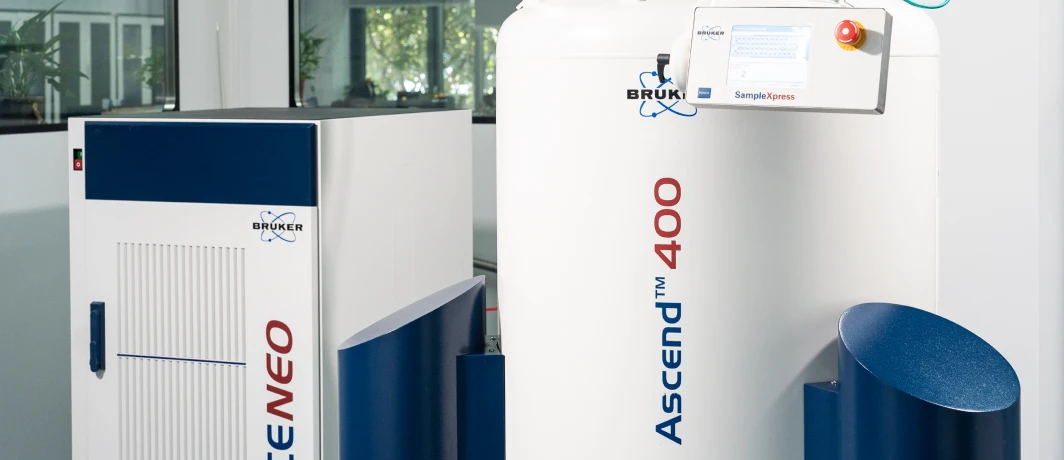
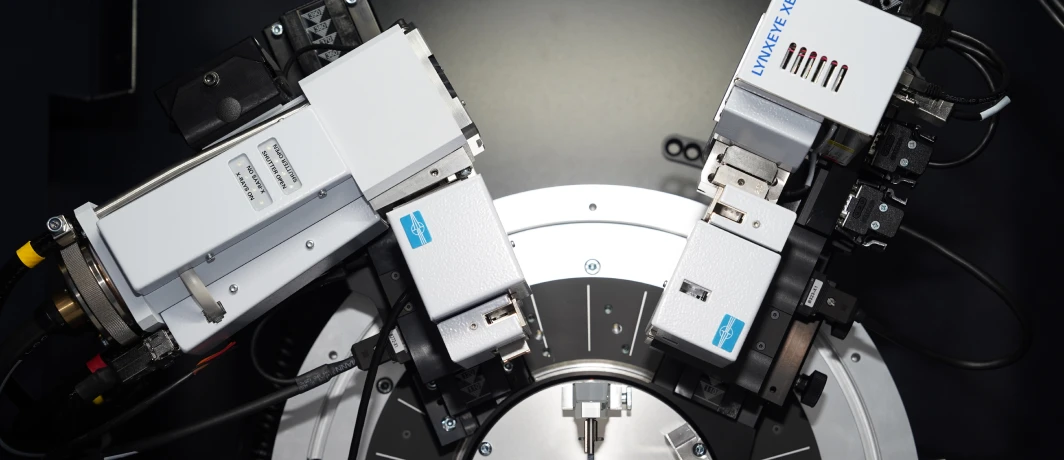
At the execution stage, Milestone Pharma leverages its nearly 10,000-square-meter CNAS-accredited laboratory facilities and a comprehensive analytical platform covering organic leachables (LC-HRMS and GC-HRMS), elemental impurities (ICP-MS), unknown structure elucidation (HRMS/MS and NMR), and volatile organic compounds (HS-GC-MS).
For toxicological assessment, Milestone Pharma utilizes Derek Nexus and Sarah Nexus and has established a database containing more than 1,000 commonly encountered extractables. The assessment strategy incorporates approaches including QT classification, QSAR assessment, and cross-evaluation, together with additional targeted neurotoxicity screening for products involving potential neural exposure.
The company successfully passed an FDA inspection in August 2023, and its laboratory system operates in accordance with cGMP and CNAS/ISO 17025 requirements, supporting the consistent application of robust analytical methodologies aligned with global regulatory expectations.
Milestone Pharma Supports Viwit Pharmaceutical in Addressing Compatibility Challenges
Faced with these complex compatibility challenges, Milestone Pharma leveraged its extensive technical expertise and global regulatory perspective to provide Viwit Pharmaceutical with end-to-end support spanning pharmaceutical development through regulatory submission:
1. End-to-End, One-Stop Compatibility Study Services
Milestone Pharma has established an integrated pharmaceutical quality control laboratory based on cGMP and CNAS quality systems, supporting both regulatory submissions and drug product release testing.
Its services cover materials that come into contact with pharmaceutical products throughout their lifecycle, including pharmaceutical packaging components such as vials and elastomeric closures, manufacturing process components such as filters and silicone tubing, and clinical administration devices.
For high-risk injectable products such as Gadoterate Meglumine Injection, Milestone Pharma provides customized chemical characterization and migration assessment, helping ensure that material-related risks are appropriately evaluated from manufacturing through clinical administration.
2. Advanced Unknown Screening and Toxicological Assessment Capabilities
One of the central challenges in compatibility studies is the identification and risk assessment of unknown leachables.
Milestone Pharma has established a data repository covering more than 1,000 commonly encountered extractables and is equipped with advanced analytical technologies including high-resolution mass spectrometry and nuclear magnetic resonance (NMR).
The company also utilizes toxicological assessment software such as Derek Nexus and Sarah Nexus, incorporating QT classification, QSAR assessment, and cross-evaluation strategies to support comprehensive toxicological assessment of potential extractables and leachables.
These capabilities are particularly important for injectable products such as contrast agents, where strict impurity control is critical to product safety.
3. Expertise in Supporting Global Regulatory Submissions
One of Milestone Pharma’s key strengths is its ability to support global regulatory submissions.
The company successfully passed an FDA inspection in August 2023, and its controlled laboratory system operates in accordance with cGMP and CNAS/ISO 17025 requirements.
Milestone Pharma’s experts continuously monitor global regulatory developments and have extensive experience in responding to FDA requests for additional information and regulatory comments.
The company has also published a white paper providing a systematic overview of the extractables and leachables assessment framework under USP <1663> and USP <1664>, including risk classifications and threshold considerations applicable to five major dosage-form categories, including injectables. These considerations form an important technical basis for compatibility assessments supporting ANDA submissions such as that for Gadoterate Meglumine Injection.
4. Extensive Experience with Injectable Products
Milestone Pharma has provided services to more than 1,000 pharmaceutical companies in China and overseas, accumulating extensive project experience in compatibility studies for injectable products.
Its services include quality consistency evaluations for chemical drug injections, packaging-material compatibility studies, and other related offerings.
Core members of the company’s technical team participated in drafting Chinese regulations for container-closure integrity studies, enabling Milestone Pharma to provide optimal study strategies based on the regulatory requirements of each target market.
Conclusion
The U.S. FDA approval of Gadoterate Meglumine Injection marks an important milestone in Viwit Pharmaceutical’s international development of advanced contrast agents.
Behind this achievement, Milestone Pharma used its professional compatibility-study capabilities to create a safety barrier for this high-risk injectable product, extending from packaging materials through clinical use.
Looking ahead, Milestone Pharma will continue to pursue its vision of becoming a world-class pharmaceutical quality control laboratory, helping more Chinese pharmaceutical companies overcome the technical barriers associated with advanced formulations and enabling pharmaceutical products created through Chinese innovation to enter global markets safely and efficiently.

