









Nitrosamine & NDSRI Services
Overview
Milestone Pharma's Nitrosamine and NDSRI Research Platform delivers a comprehensive and compliant one-stop solution, covering risk assessment, method development and validation, confirmatory testing, and submission-ready report generation.
The platform strictly adheres to ICH, FDA, and EMA guidelines, employs high-sensitivity analytical techniques, ensures data integrity and regulatory acceptability, and supports clients in efficiently establishing control strategies and preparing regulatory dossiers for nitrosamine impurities.


Services
-
Nitrosamine Risk Assessment
Comprehensive risk identification based on the synthesis process of APIs
-
Method Development & Validation (or Verification)
Tailored and fully validated analytical methods for your product
-
Batch Release & Confirmatory Testing
Ensure that each batch of product complies with quality specifications
-
False-Positive Investigation
Accurate discrimination to avoid misjudgment
-
Nitrate & Nitrite Testing in Excipients (ppb Level)
Control potential risks at the source
-
Screening Methods for Risk Evaluation
Rapidly assess product risks
-
Custom Synthesis of NDSRI Reference Standards
Solve the industry challenge of scarce reference materials
-
Comprehensive NDSRI Characterization
Ensure the accuracy and reliability of analytical results
-
Forced Degradation Studies for NDSRIs
Gain a deep understanding of the impurity profile to support stability studies
Our Tailored Solutions
-
Sample preparation & extraction optimization


From small-molecule nitrosamines (e.g., NDMA, NDEA) to complex nitrosamine drug substance-related impurities (NDSRIs), we optimize sample preparation and extraction to deliver quantitation limits at or below 10% of the latest acceptable intake (AI) limits set by global regulators (e.g., FDA, Health Canada, EMA).
We have hands-on project experience across multiple drug products, including lidocaine, tetracaine, dalbavancin, vancomycin, meglumine, and rivaroxaban.
-
Expert team & advanced instrumentation
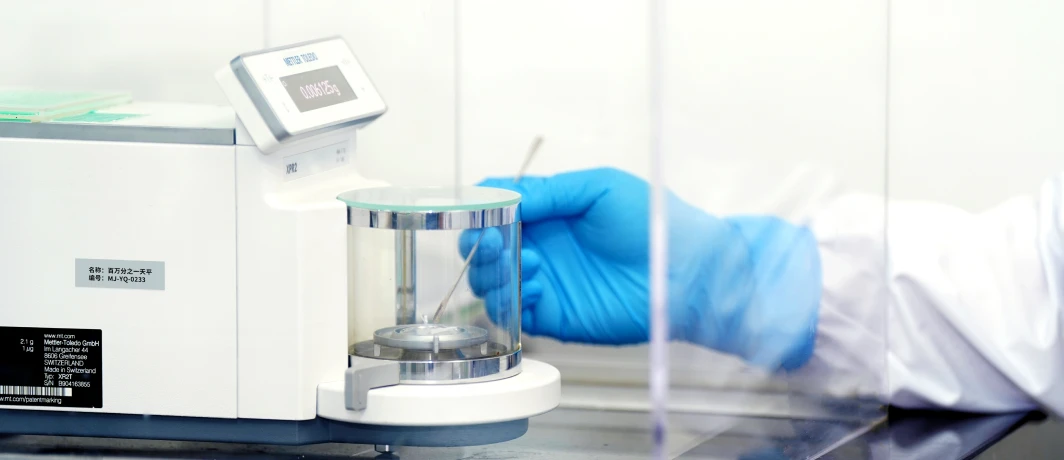
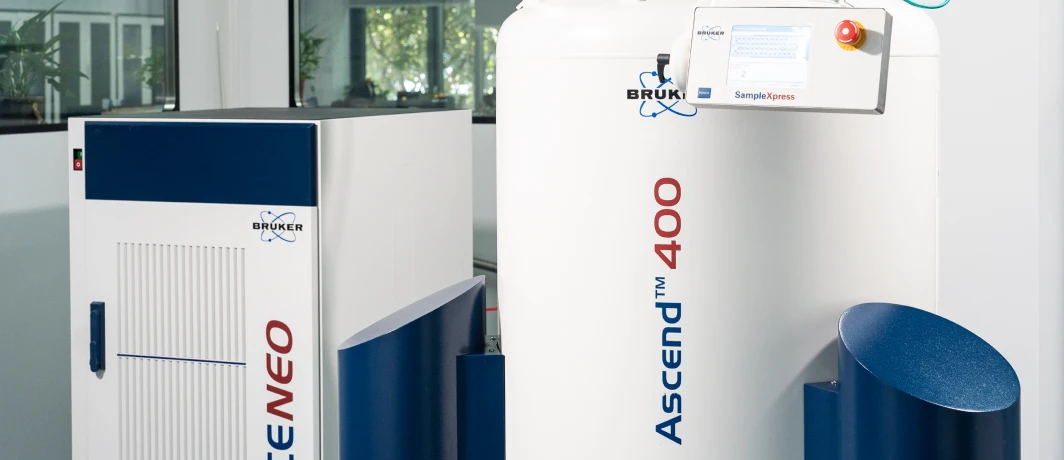
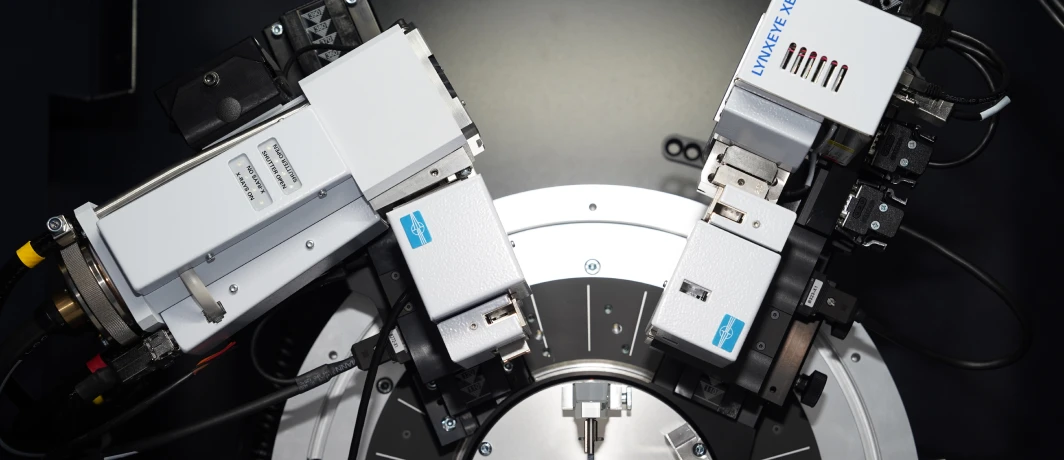
We use LC-MS/MS, GC-MS/MS, and high-resolution MS (HRMS) to meet ultra-trace detection requirements, achieving sensitivity in the tens of pg、ng/mL range, as required by current regulations.
LCMS/MS: Agilent 1290-6470/6475; Agilent 1290-6495C/6495D; Thermo Vanquish Flex-TSQ Altis; Shimadzu LC30-Sciex API4000; Shimadzu LC30-Sciex 4000 QTRAP
GCMS/MS: Agilent 8890-7000D; Agilent 7890-7010B; TRACE1300-TSQ9000
HRMS: Thermo QE Plus; Agilent 6546; Waters XEVO G2-XS; AB X500B
-
Trace nitrates & nitrites testing in excipients
We provide sensitive nitrate/nitrite testing for excipients at trace levels, including magnesium stearate, colloidal silicon dioxide, crospovidone, pregelatinized starch, sodium dihydrogen phosphate, microcrystalline cellulose (MCC), talc, ethyl cellulose, CMC-Na, povidone K30, corn starch, lactose, mannitol, PEG 6000, and croscarmellose sodium.


Feature Strengths
-
Comprehensive technical support covering the entire drug development lifecycle
Our services cover from predictive simulation during the pre-IND molecular design phase and customized synthesis of NDSRI reference standards(with >270 NDSRIs in stock), to the IND and NDA stages—which include analytical method development and validation, false-positive investigations, trace nitrite detection in excipients, and stability studies—and through to commercial batch release testing.


-
Elimination of false positives
Milestone Pharma has extensive experience in investigating false positives for nitrosamines and NDSRIs, reducing the risk of false positives from multiple dimensions including personnel, instruments, materials, methods, and the environment.


-
Global regulatory audit experience
Milestone Pharma has successfully passed multiple CNAS accreditations, NMPA on-site inspections, FDA on-site inspections, and EU Qualified Person (QP) audit certifications. Our quality system and analytical data packages are fully compliant with cGMP, ICH, USP, EP, and 21 CFR Part 11 requirements, ensuring regulatory readiness for global IND, NDA, and BLA submissions.
FAQ
-
What causes false positives in nitrosamine testing, and how do you resolve them?
False positives can occur at ultra-trace levels due to matrix interferences, background contamination, consumables, reagents/solvents, or instrument carryover. A structured investigation combines contamination control, sample preparation optimization, and orthogonal confirmation (e.g., alternate transitions/ions, alternate chromatography, or complementary techniques) to distinguish true nitrosamines/NDSRIs from artifacts.
-
How do you develop and validate methods for nitrosamine/NDSRI testing (LC-MS/MS, GC-MS/MS, HRMS)?
Method development focuses on selectivity, ultra-trace sensitivity, and robust performance in your specific matrix. We typically use LC-MS/MS or GC-MS/MS, and apply HRMS when additional specificity is required; validation (or verification) addresses key parameters such as specificity, LOQ/LOD, linearity, accuracy, precision, and matrix effects to support batch release testing and submission-ready data packages.
-
What is confirmatory testing for nitrosamines/NDSRIs, and when is it needed?
Confirmatory testing is targeted analysis used to verify whether specific nitrosamine impurities (including NDSRIs) are present and to quantify them against AI-based limits. It is commonly performed after risk assessment identifies plausible formation routes, after screening indicates a potential signal, or when regulators expect product-specific evidence that your control strategy is effective.
-
What does a nitrosamine risk assessment include, and how are acceptable intake (AI) limits set (e.g., CPCA for NDSRIs)?
A nitrosamine risk assessment is a structured, product-specific evaluation of where nitrosamines and NDSRIs may form across API synthesis, excipients, manufacturing conditions, and degradation pathways. The outcome prioritizes targets for confirmatory testing and supports setting impurity limits based on acceptable intake (AI); for many NDSRIs with limited toxicology data, carcinogenic potency categorization (CPCA) can be used to derive AI-based limits and support submission-ready documentation.
-
Why is nitrosamine/NDSRI testing difficult (ultra-trace limits, matrix effects, and false positives)?
Nitrosamine/NDSRI profiles are product-specific, so methods must be tailored to the molecule and matrix. Testing typically requires ultra-trace sensitivity (ng/pg level) and low limits of quantitation (LOQ) aligned to acceptable intake (AI), while complex matrices can introduce interferences that drive false-positive signals. Robust method validation and confirmatory testing—supported by LC-MS/MS, GC-MS/MS, and, when needed, HRMS—help ensure results are accurate and regulator-ready.
-
Why are nitrosamine impurities (including NDSRIs) a key regulatory focus?
Nitrosamine impurities are potentially mutagenic (DNA-reactive) compounds, so even trace levels can raise significant regulatory concern. Regulators therefore expect a clear, science-based control strategy covering risk assessment, fit-for-purpose testing, and defensible limits for both nitrosamines and nitrosamine drug substance-related impurities (NDSRIs).
Discuss My Project
Speak with an expert about your upcoming project to see how we can help you.