




-
What do you deliver at the end of a project?


Deliverables typically include a fit-for-purpose study plan, a technical report with results and interpretation, and raw data exports where applicable. Qualification or validation summaries can also be provided within the agreed scope.
-
How do you ensure accurate primary structure characterization for biologics?
We build orthogonal evidence using intact mass by HRMS (e.g., Orbitrap, Q-TOF), LC-MS/MS peptide mapping for sequence confirmation, and targeted PTM/disulfide/conjugation analysis to verify identity and structural fidelity.
-
Which orthogonal methods do you use for higher-order structure (HOS) assessment?
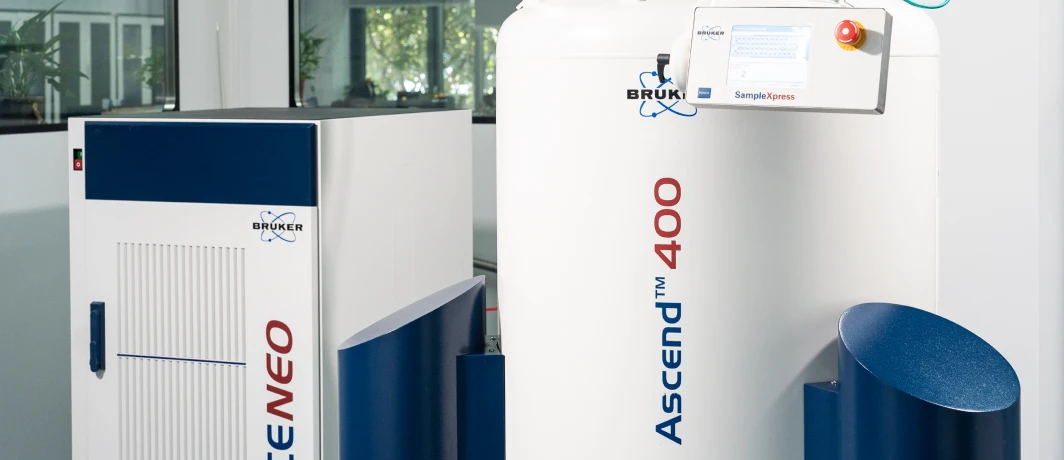
We combine far/near-UV CD, FTIR, fluorescence, NMR (1D/2D), DSC, SEC-MALS/AF4-MALS, and AUC to profile secondary/tertiary structure, conformational stability, and aggregation under near-native conditions.
-
What is the customization process for reference standards? How to obtain the complete list of in-stock impurities?
We will provide a quotation based on your requirements for the purity and quantity of the reference standards. Please contact our customer service to receive the latest product catalog.
-
Does Milestone Pharma impurity research and reference standard preparation services comply with global drug registration requirements? Can Milestone Pharma support clients through regulatory on-site inspections?
Milestone Pharma strictly follows the requirements of a quality control laboratory system. All experimental processes are complete and traceable, meeting the drug registration requirements of major global regulatory authorities (e.g., NMPA, FDA, EMA, etc.).
-
Why are nitrosamine impurities (including NDSRIs) a key regulatory focus?
Nitrosamine impurities are potentially mutagenic (DNA-reactive) compounds, so even trace levels can raise significant regulatory concern. Regulators therefore expect a clear, science-based control strategy covering risk assessment, fit-for-purpose testing, and defensible limits for both nitrosamines and nitrosamine drug substance-related impurities (NDSRIs).
-
Why is nitrosamine/NDSRI testing difficult (ultra-trace limits, matrix effects, and false positives)?
Nitrosamine/NDSRI profiles are product-specific, so methods must be tailored to the molecule and matrix. Testing typically requires ultra-trace sensitivity (ng/pg level) and low limits of quantitation (LOQ) aligned to acceptable intake (AI), while complex matrices can introduce interferences that drive false-positive signals. Robust method validation and confirmatory testing—supported by LC-MS/MS, GC-MS/MS, and, when needed, HRMS—help ensure results are accurate and regulator-ready.
Discuss My Project
Speak with an expert about your upcoming project to see how we can help you.