





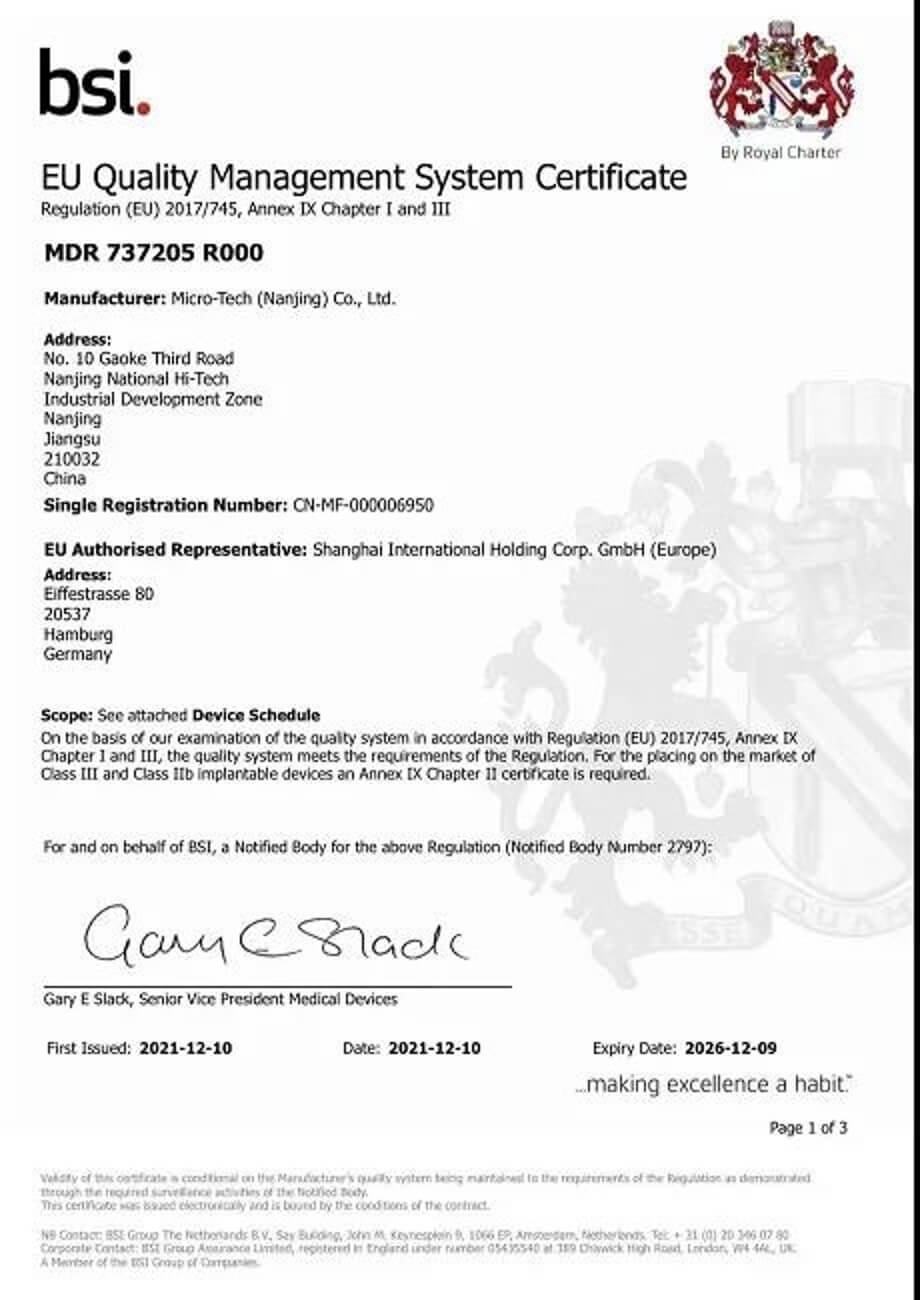
Good news! Through Milestone Pharma’s medical device chemical characterization services, Micro-Tech (Nanjing) Co., Ltd.’s flagship product, the Sterile Repositionable Hemostasis Clipping Device, has successfully obtained an EU CE certificate under the MDR issued by BSI.
From“Directive”to“Regulation”: MDR Raises the Bar for CE Certification
Regulation (EU) 2017/745 on medical devices (MDR) became mandatory on May 25, 2021, replacing Directive 93/42/EEC on medical devices (MDD). Following a three-year transition period, all products placed on the EU market were to be certified under the MDR by May 26, 2024.
The transition from a Directive to a Regulation strengthens the binding force of EU medical device requirements: upon taking effect, the MDR applied directly in EU Member States as binding law. Compared with the former MDD, the MDR imposes stricter oversight, increases the difficulty and cost of certification, and places greater emphasis on product quality and safety, creating new challenges for companies entering the EU market.
The MDR also expands the scope of regulation for medical and implantable products. Examples include contact lenses that alter the appearance of the pupil, cosmetic implants, medical devices used to predict disease, device software, and products used to clean, disinfect, or sterilize medical devices.
Some high-risk medical products are classified as Class III under the new classification system. The MDR requires manufacturers to conduct systematic clinical investigations and provide clinical evidence proportionate to the safety and performance risks associated with the device.
The Importance and Necessity of Medical Device Chemical Characterization
A complete biological evaluation and biocompatibility assessment of a medical device should always include the physical and chemical characterization of the materials used in the device.
As Regulation (EU) 2017/745 (MDR) imposes increasingly stringent requirements on the materials used in medical devices, the importance of material chemical characterization has become more evident.
Comprehensive chemical characterization of medical devices is an important component of the product design and development process. It can provide scientific evidence to support material selection, process optimization, and product development decisions.
Chemical characterization also provides essential information for the biological evaluation and toxicological risk assessment of medical devices.
In addition, chemical characterization can support:
Supporting the biological safety of reprocessed medical devices
Supporting toxicological risk assessment by identifying and quantifying leachable substances under clinical-use conditions
Supporting equivalence assessments between a medical device and a marketed device when the nature and duration of clinical contact are comparable
Supporting equivalence to a marketed device following changes to manufacturing processes, such as sterilization or cleaning, manufacturing sites, materials or components, or suppliers
Supporting equivalence between a proposed material and a marketed device or material with respect to material composition or extractables profile
Supporting equivalence assessments between the final device and the prototype device
Supporting the selection and evaluation of new materials based on the intended clinical use of the device
Ideally, material characterization should be initiated at the earliest stages of new product research and development.
Characterization data generated during early development can provide strong scientific support for material selection and design decisions, and may ultimately influence the design and configuration of the device itself.
In addition, when future commercialization costs are considered, material substitutability must allow alternative suppliers to be available at any point during the product lifecycle.
Material characterization can be used to identify suitable alternative materials in advance.
Finally, material characterization can be used to determine whether unnecessary animal testing can be waived at later stages of the biocompatibility evaluation, thereby improving animal welfare.
Milestone Pharma’s Support
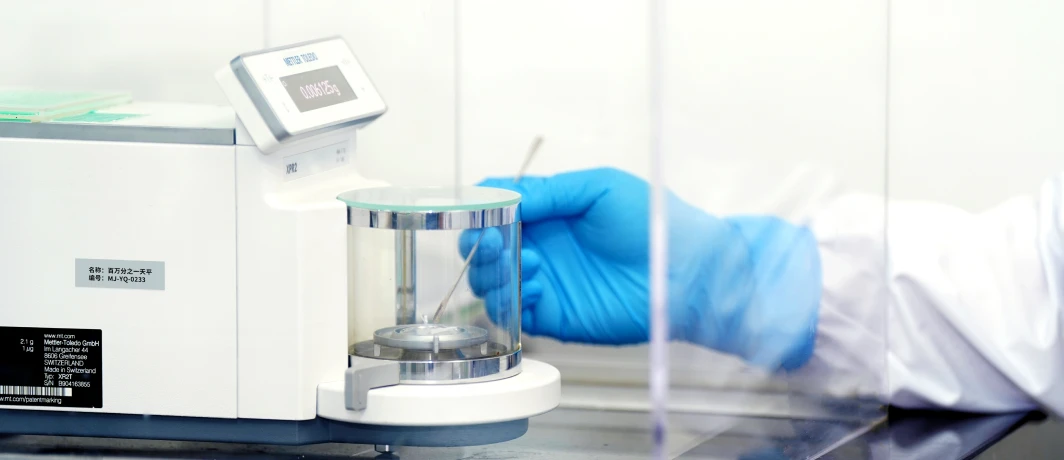
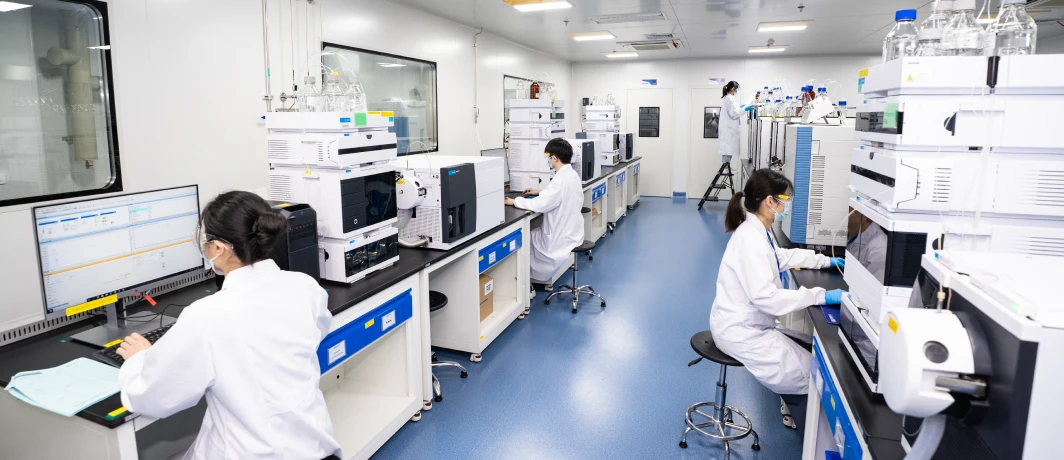
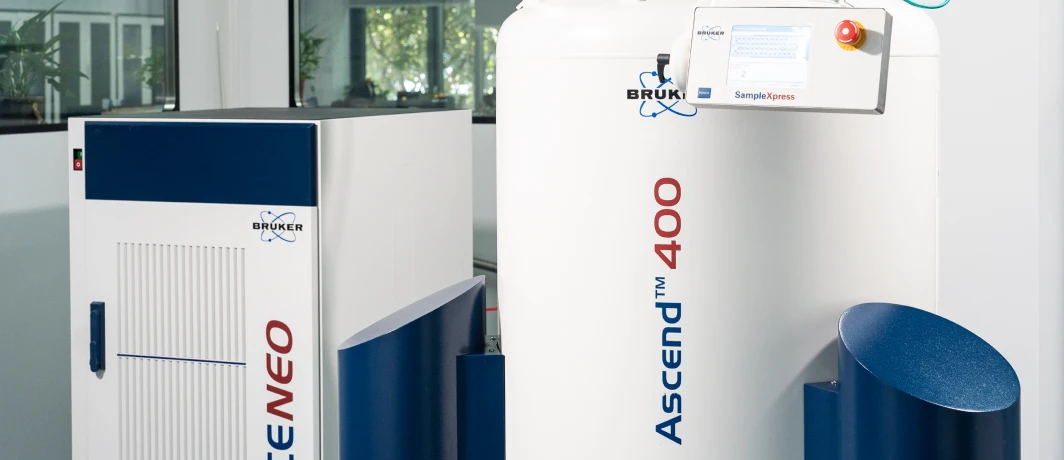
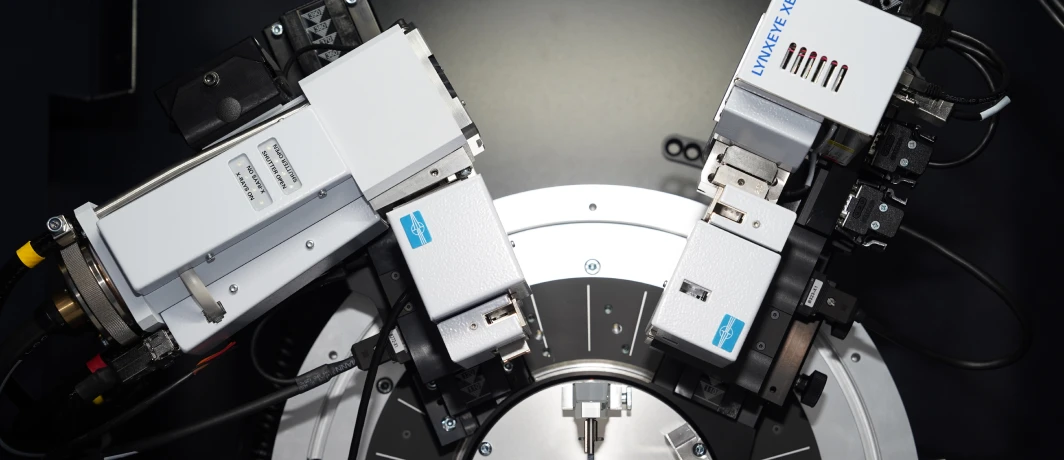
Milestone Pharma uses state-of-the-art analytical instruments to study extractables and leachables from polymers, plastics, rubber, and alloys.
Milestone Pharma has helped multiple products from several Chinese companies obtain U.S. FDA 510(k) clearance and EU MDR certification.
With its specialized medical device chemical characterization capabilities, Milestone Pharma provides systematic material safety assessment solutions across the entire medical device lifecycle.
From material selection and product development to manufacturing changes and regulatory submissions, Milestone Pharma provides science-based and regulatory-aligned technical support to help medical device manufacturers address evolving global compliance requirements.
For medical device manufacturers seeking access to the EU market, a scientifically robust and comprehensive chemical characterization program can help identify potential risks associated with extractables and leachables while providing critical data to support subsequent biological evaluation, toxicological risk assessment, and regulatory submissions.
By integrating chemical characterization into the early stages of product development, manufacturers can identify material-related risks at an earlier stage, optimize material and process selection, and establish a stronger scientific foundation for global regulatory submissions and commercialization.

