





Structural characterization of peptide drugs is a “tough nut to crack” in quality research. Traditional mass spectrometry platforms often fall short, particularly when faced with challenges such as β-Asp isomers, I/L isomers, glycosylation modifications, and complex disulfide bond pairings.Relying on the Thermo Orbitrap Fusion 3-in-1 high-resolution mass spectrometry platform, Milestone Pharma combines multiple fragmentation modes—including CID/HCD, ETD, and EThcD—to achieve in-depth analysis of the complex structures of peptide drugs, thereby advancing peptide drug R&D and quality control.
I. Industry Pain Points: Complex Structural Issues Require More Powerful Analytical Methods
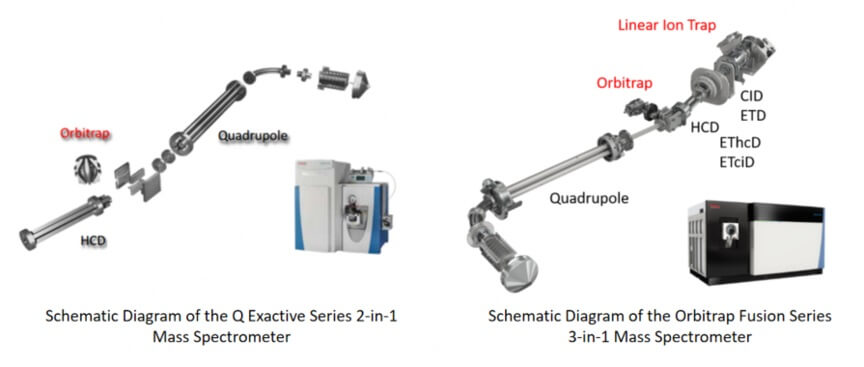
In the characterization of the primary structure of peptide drugs and the study of impurity spectra, two-in-one high-resolution mass spectrometers (such as the Q Exactive series) can generate high-quality data that meet most routine regulatory requirements.
However, when facing with the following complex analytical tasks, dual-mass spectrometers typically fall short of meeting requirements:
l Identification of β-Asp isomers—Aspartic acid isomerization is one of the most common sources of impurities in peptides
l I/L isomer differentiation—Isoleucine and leucine have identical molecular weights, which conventional mass spectrometry cannot distinguish
l Glycopeptide structural analysis—Locating glycosylation sites and identifying glycan types requires preserving the complete glycan chain structure
l Confirmation of complex disulfide bond pairing—The precise linkage patterns of multiple disulfide bonds are difficult to confirm
A more scientific approach is to introduce a three-in-one mass spectrometry platform capable of multiple fragmentation modes (CID/HCD, ETD, EThcD) and multistage fragmentation (MSⁿ) to thoroughly analyze the aforementioned complex structural issues. This strategy is widely recommended in numerous cutting-edge studies and pharmacopoeial guidelines.
II. Core Technology: Three-in-One Architecture + Multi-Mode Fragmentation
1. Three-in-One Architecture—Three Mass Analyzers Working in Concert
The Orbitrap Fusion integrates three mass analyzers onto a single platform:
l Quadrupole mass filter—precise parent ion selection with a selection window as low as 0.4 amu
l Dual-voltage linear ion trap—multistage fragmentation (MSⁿ) and high-speed scanning (up to 20 Hz)
l Ultra-high-field Orbitrap—Resolution exceeding 450,000, with unmatched ability to separate isobaric interferences
Working in concert, these three components deliver analytical performance where 1+1+1 > 3.
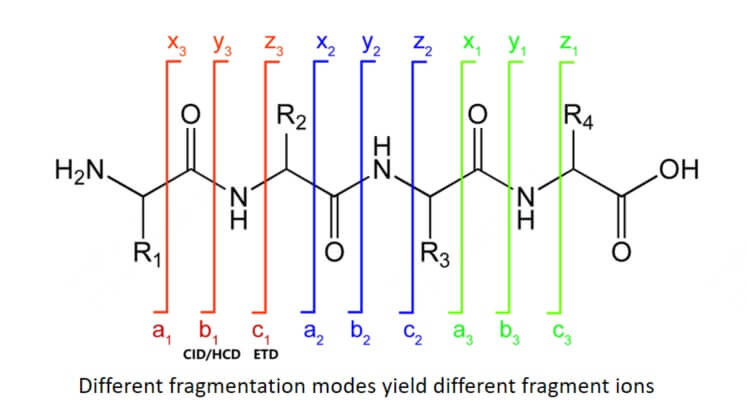
2. Combination of Multiple Fragmentation Modes—Adapting to Different Analytical Scenarios

3. EASY-ETD Source—Simple and Reliable
The optional EASY-ETD electron transfer dissociation ion source features a compact design and utilizes Townsend discharge ionization rather than filament ionization, making it reliable and easy to use, significantly lowering the operational barrier for ETD technology.
III. Practical Case Studies
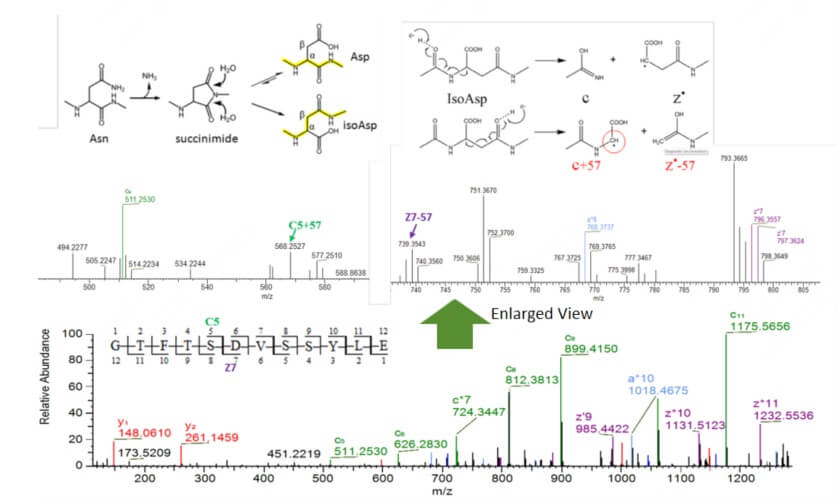
Case 1: Identification of the β-Asp9 impurity in semaglutide
Aspartic acid isomerization (formation of β-Asp) is one of the most common sources of impurities in peptide drugs. Traditional CID/HCD fragmentation struggles to distinguish between Asp and β-Asp isomers, whereas the ETD fragmentation pattern preserves complete side-chain structural information, providing a reliable method for the precise identification of β-Asp impurities.
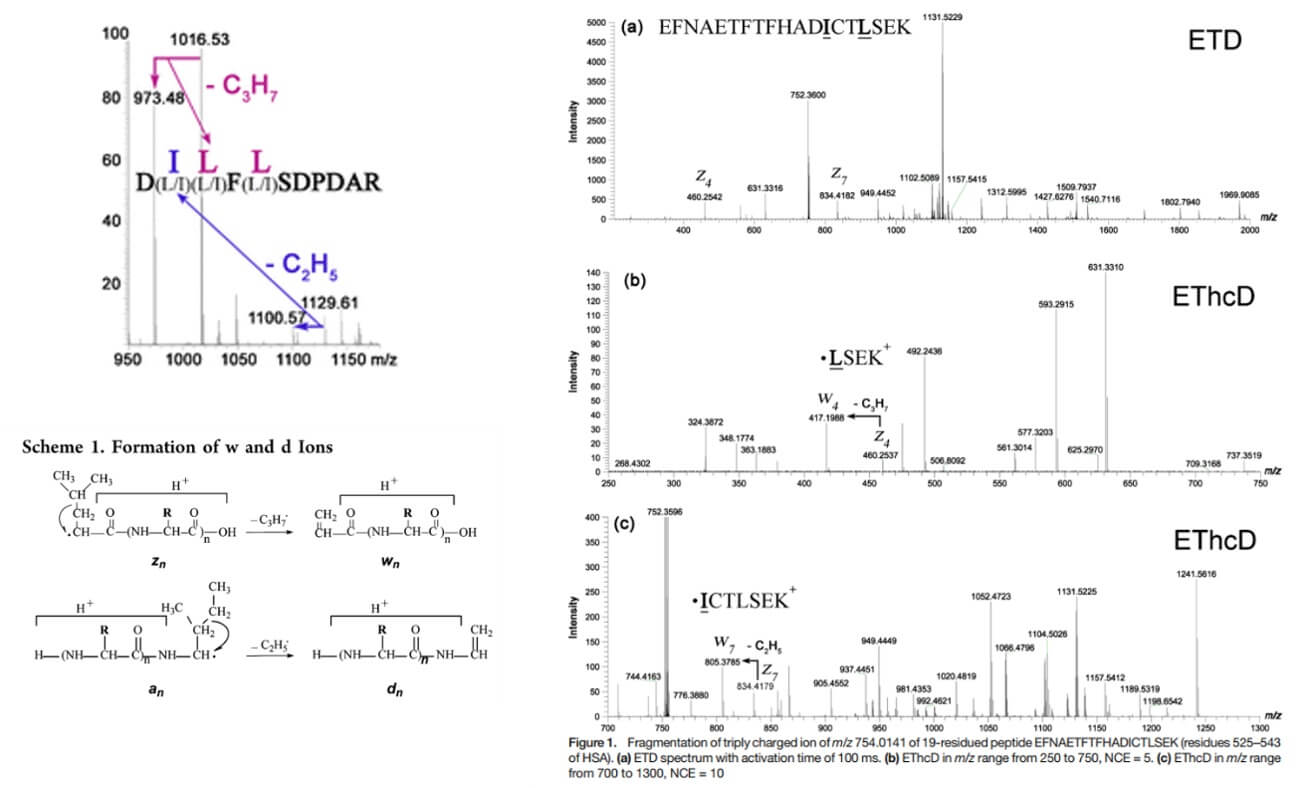
Case 2: MS³ ETD-HCD Identification of I/L Isomers in Peptides
Isoleucine (I) and leucine (L) are isomers with identical molecular weights and cannot be distinguished by conventional mass spectrometry. The Orbitrap Fusion utilizes MS³ ETD-HCD hybrid fragmentation to successfully identify I/L isomers based on subtle differences in fragment ions.
Case 3: EThcD for Precise Localization of Glycosylation Sites
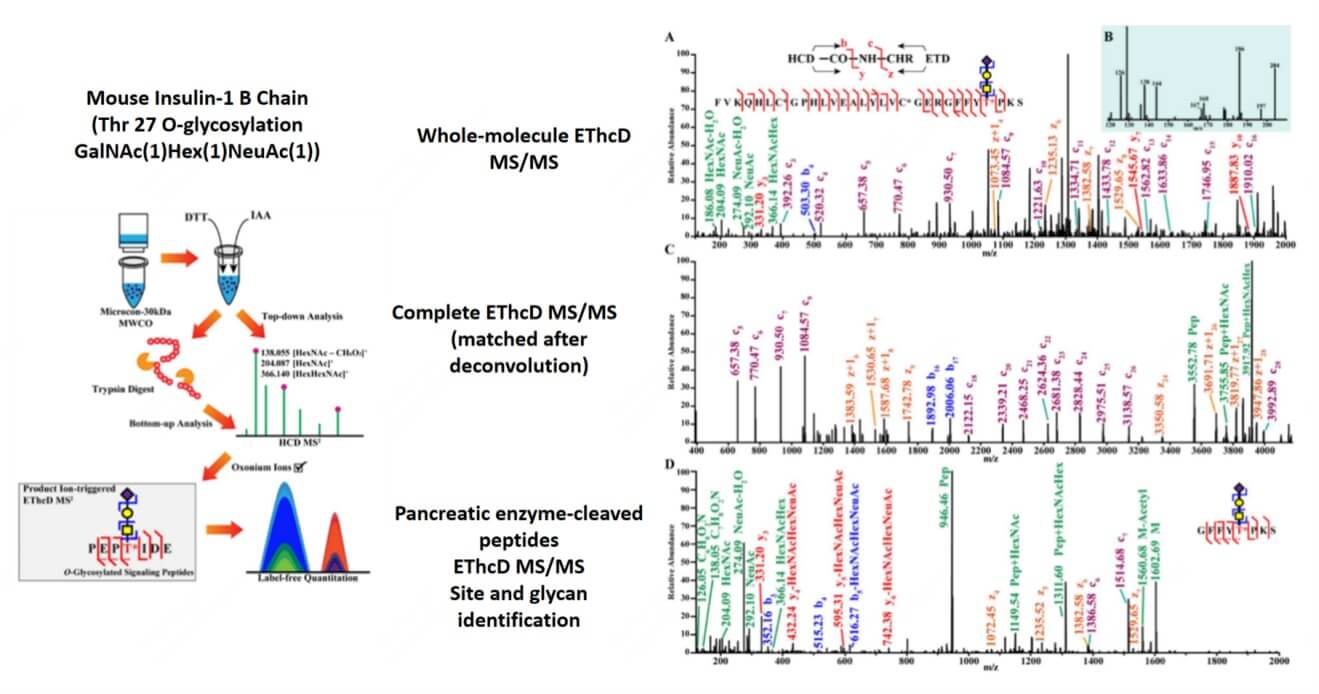
In the analysis of the mouse insulin-1 B chain (Thr 27 O-glycosylated GalNAc(1)Hex(1)NeuAc(1)), EThcD fragmentation simultaneously generated b/y and c/z·-type fragment ions, which not only provided nearly complete sequence coverage but also enabled the precise localization of glycosylation sites and the identification of glycan types.
Case 4: MS³ Confirmation of Insulin Disulfide Bond Pairing
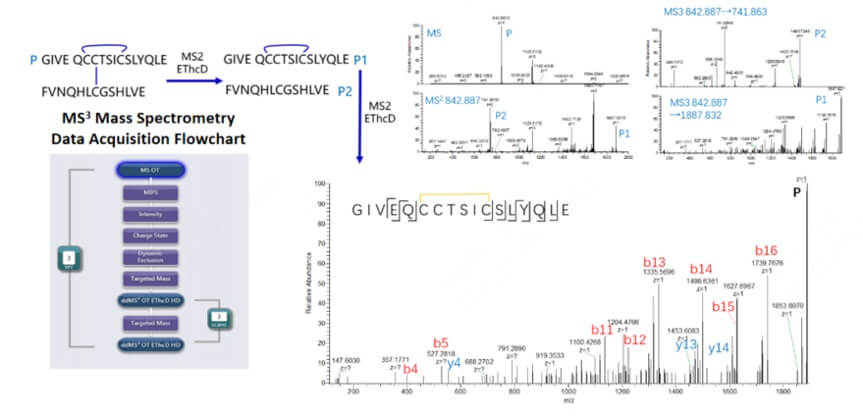
Structural confirmation of insulin disulfide bond pairing is a critical step in the characterization of biopharmaceuticals. Although the Q Exactive Plus 2-in-1 mass spectrometer could identify disulfide bonds formed between C6, C7, and C11 of the A chain and C7 of the B chain, it was unable to distinguish whether the bond was formed between C6 or C7 of the A chain and C7 of the B chain.Orbitrap Fusion successfully confirmed the specific disulfide bond pairing pattern through an MS³ EThcD fragmentation combined with MS³ data acquisition workflow.
IV. Platform Advantages and Service Value
Milestone Pharma’s Orbitrap Fusion 3-in-1 high-resolution mass spectrometry platform provides clients with:
l A one-stop solution: Comprehensive coverage from sample preparation and method development to data acquisition and analysis
l Overcoming the Limitations of Two-in-One Systems: In-depth analysis of complex projects such as β-Asp isomers, I/L isomers, glycopeptides, and disulfide bond pairing
l Compliance Support: Method design complies with pharmacopoeia and relevant guidelines; data is complete and traceable
l Wide Applicability: Suitable for the characterization of synthetic peptides of various sequence lengths, biomacromolecules, and intact proteins
Milestone Pharma has always provided clients with high-quality bioanalytical services through leading-edge technology platforms. The introduction of the Orbitrap Fusion 3-in-1 mass spectrometer marks a new milestone in our capabilities for the structural characterization of peptide drugs and biomacromolecules. Whether for routine primary structure characterization or in-depth analysis of complex projects, we can provide more accurate, comprehensive, and reliable data support.

