




Extractables and Leachables
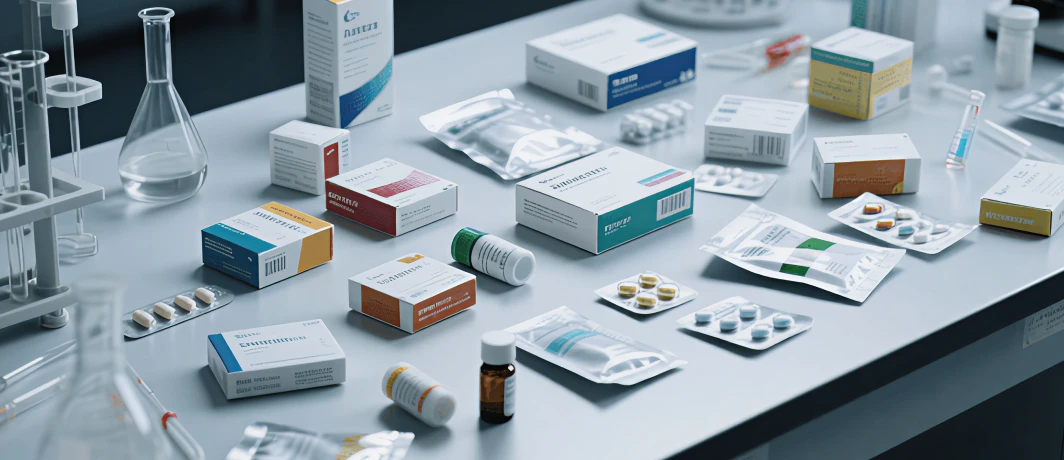
Milestone Pharma's Extractables & Leachables (E&L) study team adheres to the QbD (Quality by Design) philosophy, following PQRI and ICH Q3E guidelines to provide comprehensive compatibility study services covering drug packaging systems, manufacturing process components, and clinical delivery devices. Through a three-step research strategy (Characterization → Simulation → Leachables), combined with high-sensitivity unknown compound screening technology, we accurately identify potential extractables and leachables, delivering risk assessment reports that meet global regulatory requirements. Our services support registrations and audit responses for multiple regulatory systems, including NMPA, FDA, EMA, and WHO.
Our Advantages
· Global Regulatory Success — Successfully assisting clients with approvals and site inspections in China, the U.S., EU, and Southeast Asia.
· Technological Leadership — Independently developed extraction database with expertise in complex matrix sample processing (e.g., biologics, high-viscosity formulations).
· Efficiency Assurance — Management's accelerated project communication significantly shortens study timelines. Our "Mrgplus™" service can complete studies from extraction to leachables in as little as 3 working days.
· One-Stop Solution — First-aid services from material screening and experimental design to report drafting — all under one roof.
Core Service Areas
· Market-Ready Drug Packaging System Studies — Ampoules, vials, rubber stoppers, infusion bags, eye drop bottles, aerosol containers, spray valves, etc. Extractables screening and migration risk assessment for polymer, glass, and metal materials.
· Manufacturing Process Component Compatibility Studies — Silicone tubing, filters, gaskets, stainless-steel filling needles, and other single-use / reusable components. Material profiling (e.g., plasticizers, antioxidants, silicone compounds) and process simulation.
· Clinical Delivery Device Safety Verification — Interaction studies between devices (e.g., syringes, infusion sets, infusion pumps) and drugs. Dynamic monitoring of leachables under long-term usage scenarios.
Project Workflow
A 10-step path to a compliant report
Step | Stage |
01 | Information Collection |
02 | Risk Assessment & Experimental Design |
03 | Material Characterization (Profiling) |
04 | Formulation Simulation Extraction Study |
05 | Extractables Data Analysis |
06 | Leachables Method Development |
07 | Method Validation |
08 | Leachables Study Report |
09 | Safety Assessment Report |
10 | Compatibility Report |
Research Process and Technological Innovations
Global Compliance Capabilities
· Database Support — Over 1,000 common extractables in our database (continuously expanding), covering mainstream polymers (e.g., plastics, rubbers, elastomers).
· Toxicological Assessment — Based on ICH Q3E and toxicology databases (e.g., ToxRefDB, DEREK), providing safety threshold calculations and risk classification.
· Multilingual Reports — Supporting bilingual (Chinese / English) study reports to meet international submission requirements.
Quality System
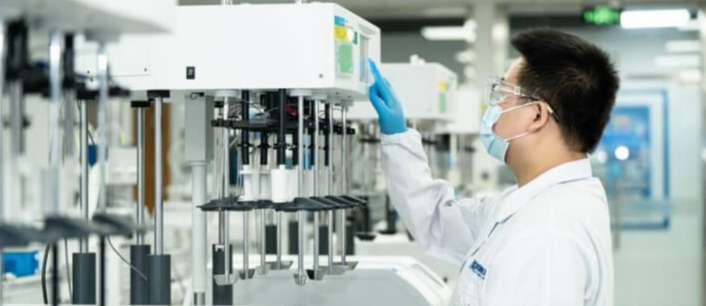
Our laboratory is accredited by CNAS (ISO/IEC 17025) and cGMP, with data traceability compliant with FDA 21 CFR Part 11. Reports and audit responses are accepted by NMPA, FDA, EMA, and WHO regulatory authorities.
Scientific Research Strategy
Our Three-Step Methodology
· Step 1 — Controlled Extraction & Simulation — Based on PQRI and ICH Q3E recommendations, assessing risks from controlled extraction, simulation studies, and leachables (e.g., degradation products, non-intentionally added substances).
· Step 2 — Dynamic Simulation Experiments — Designing accelerated extraction protocols based on actual process parameters (temperature, pressure, contact time).
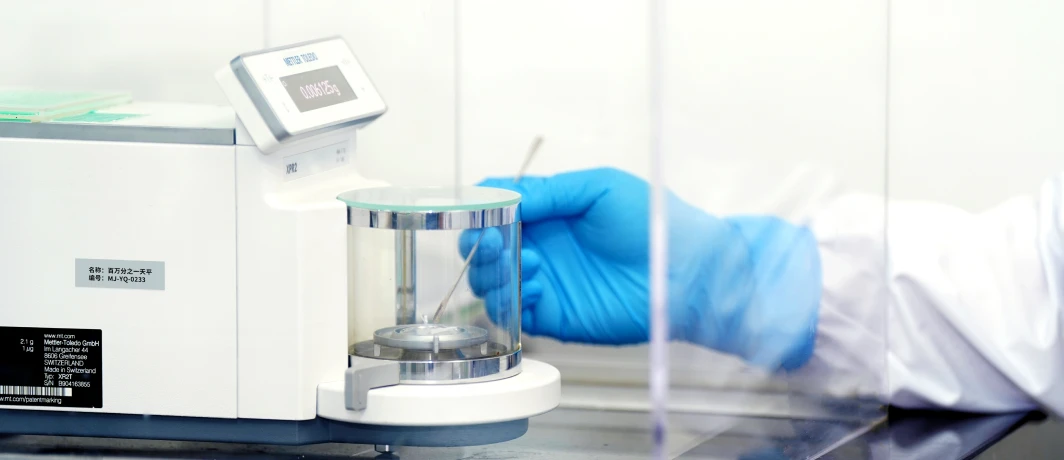
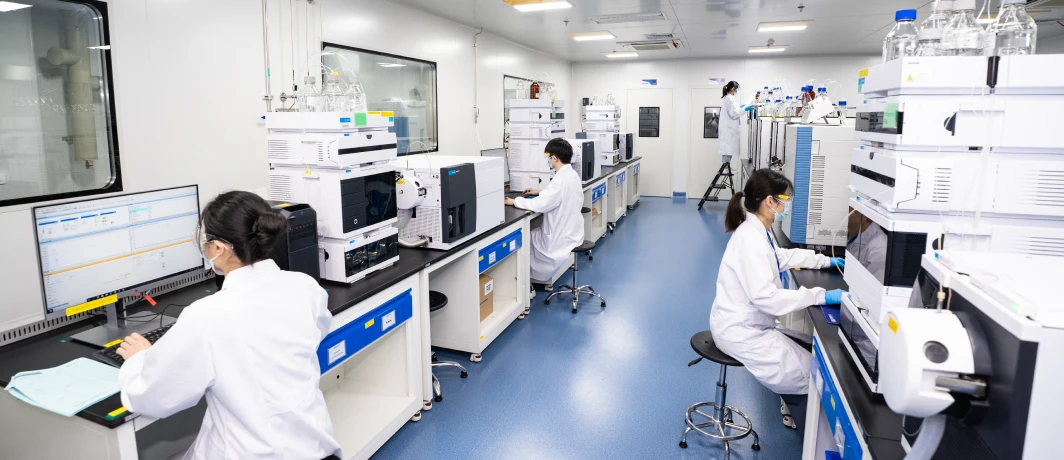
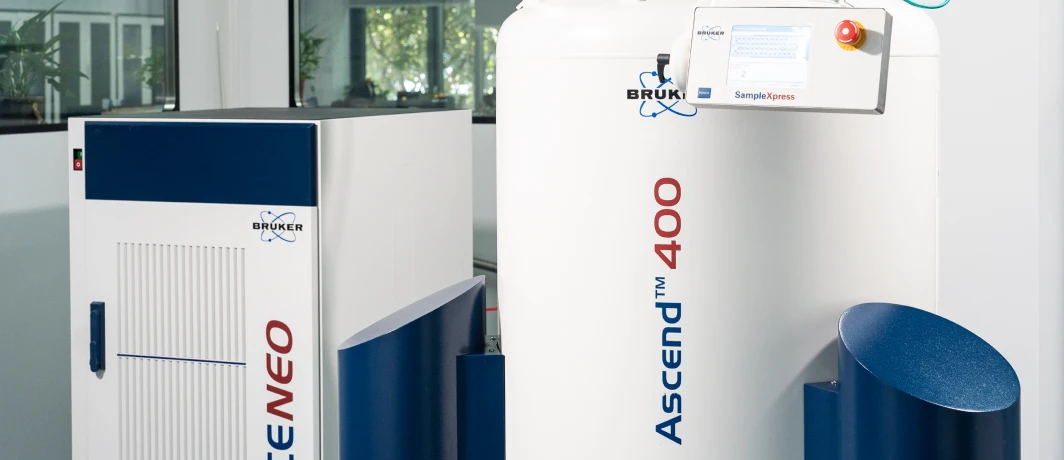
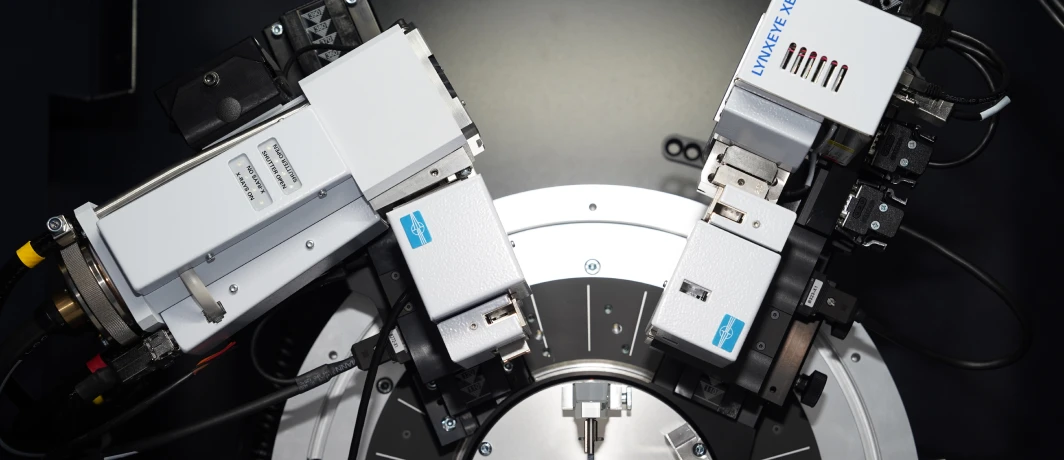
· Step 3 — Unknown Compound Screening — Utilizing high-sensitivity equipment such as GC-FID/MS, LC-DAD/MS, LC-MS/MS, QTOF, and ICP-MS to achieve ppm-level trace detection and unknown compound identification.
Study Flow
· 01 Material Profiling (Model Solvent Extraction Study) — Controlled Extractables → Unknown Compound Screening + Known Compound Detection
· 02 Simulated Extraction Study of Drug Solution — Confirmation in Drug Solution
· 03 Leachables Study — Method Validation → Leachables Testing

